
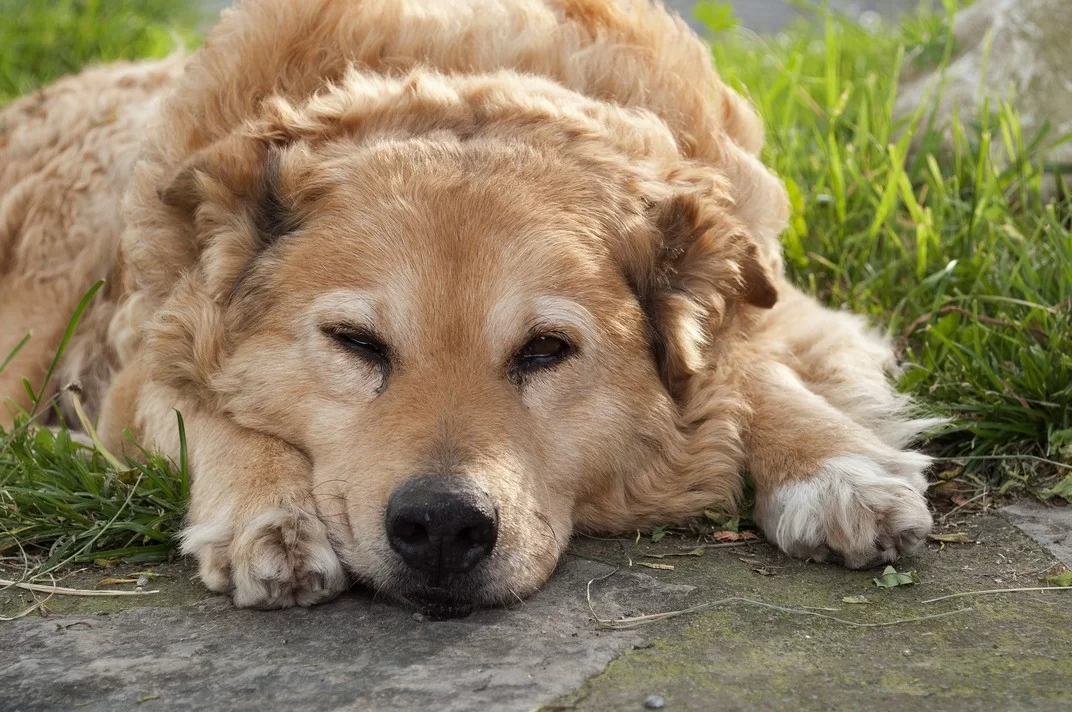
Senior Pet Care in Tyler, TX
Our senior patients deserve special attention. At Premier Veterinary Hospital, we help dogs and cats over age seven stay healthy and comfortable with semi-annual exams, screening bloodwork, pain management, and nutrition tailored to their changing needs.
Request an AppointmentCaring for Your Pet in Their Golden Years
Dogs and cats are generally considered seniors around age seven, and large and giant breed dogs may reach their senior years even sooner. As pets age, their needs change, and many common age-related conditions develop gradually and quietly. Semi-annual veterinary checkups and routine bloodwork give us the opportunity to address underlying diseases before they become serious problems, helping your pet stay comfortable and by your side for as long as possible.
Common Health Concerns in Senior Pets
- Arthritis and joint pain
- Kidney disease
- Dental disease
- Heart disease
- Diabetes and thyroid disorders
- Liver disease
- Cancer and lumps or masses
- Vision and hearing loss
- Cognitive changes, such as confusion or changes in sleep patterns
- Weight gain or unexplained weight loss
Our Senior Wellness Program
Senior wellness visits at Premier Veterinary Hospital include a thorough physical exam with special attention to mobility, weight, dental health, heart and lung function, and behavior. We typically recommend:
- Wellness exams every six months
- Screening bloodwork and urinalysis through our in-house laboratory
- Blood pressure checks, especially for senior cats
- Digital radiographs or ultrasound when indicated
- Regular dental evaluations and cleanings
Keeping Senior Pets Comfortable
Comfort is a top priority for aging pets. Our veterinarians offer multimodal pain management, including drug-free laser therapy for arthritis and stiffness and medications from our pharmacy. Age-appropriate nutrition, including prescription diets for kidney, joint, and weight management, can make a significant difference in quality of life.
Signs to Watch For at Home
Contact us if your senior pet is drinking or urinating more, eating less, losing or gaining weight, having trouble getting up or using stairs, showing confusion, or acting differently. These changes are not just “old age” and may be signs of treatable conditions.
Tips for Home Care
Provide soft, supportive bedding, non-slip rugs, ramps or steps for furniture and vehicles, and gentle, regular exercise. Keep up with parasite prevention, and gentle grooming appointments can help older pets who have trouble keeping themselves clean.
Senior Pet Care FAQs
At what age is my pet considered a senior?
Most dogs and cats are considered seniors around age seven. Large and giant breed dogs may age faster.
How often should senior pets see the veterinarian?
We recommend exams every six months for senior pets so we can detect changes early.
Why does my senior pet need bloodwork?
Bloodwork and urinalysis can detect kidney disease, liver disease, diabetes, and thyroid problems before symptoms appear.
Is it normal for my older dog to slow down?
Some slowing is expected, but stiffness, limping, or reluctance to move often indicate arthritis pain, which can be treated.
Can older pets safely have anesthesia?
Yes, with proper precautions. Pre-anesthetic bloodwork, IV fluids, and continuous monitoring help keep senior pets safe during dental cleanings and surgery.
Should my senior pet eat a different diet?
Many senior pets benefit from diets formulated for aging bodies, joint support, kidney health, or weight management. Your veterinarian can recommend the right one.
What changes should I report to my veterinarian?
Report increased thirst or urination, appetite or weight changes, coughing, confusion, mobility problems, lumps, or behavior changes.
Schedule a Senior Wellness Visit
Help your senior pet feel their best. Call (903) 617-6072 to schedule an exam with our Tyler veterinarians.