
Endoscopy, Laparoscopy & Laparoscopic Surgery in Tyler, TX
Minimally invasive procedures mean smaller incisions, less pain, and faster recovery for your pet. Premier Veterinary Hospital offers advanced endoscopy and laparoscopy for diagnostics, biopsies, foreign body removal, laparoscopic spays, and more.
Request an AppointmentMinimally Invasive Veterinary Care in East Texas
Premier Veterinary Hospital is proud to offer endoscopy, laparoscopy, and laparoscopic surgery, advanced techniques that allow our veterinarians to diagnose and treat many conditions without large incisions. We utilize the same level of technology that has become the standard of care in human medicine over the past 25 years, bringing referral-level care close to home for Tyler and East Texas pets.
What Is Endoscopy?
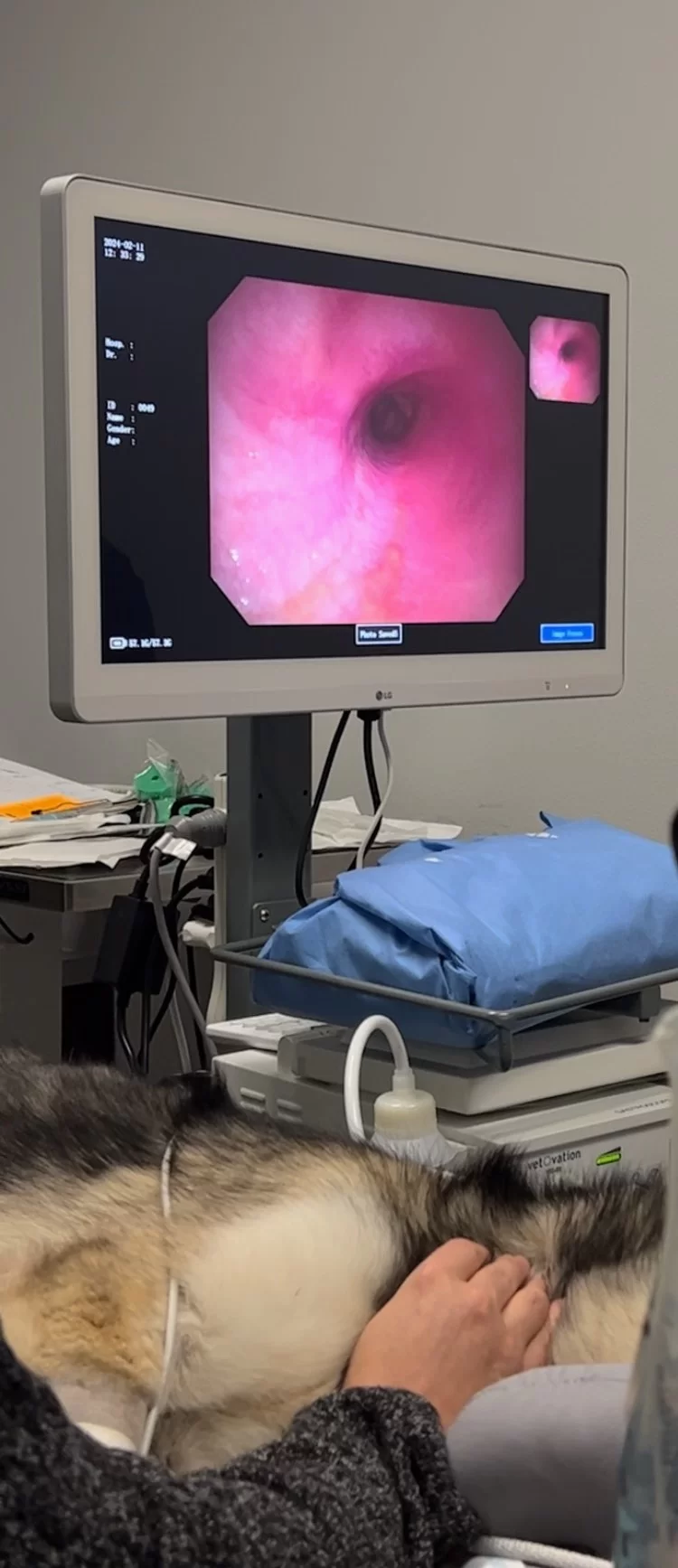
Endoscopy is a minimally invasive way to evaluate the inside of organs such as the esophagus, stomach, intestines, urinary system, trachea, lungs, and nasal cavity. A flexible or rigid camera is passed through a natural opening, allowing us to see, photograph, biopsy, and even remove objects without surgery.
Why Endoscopy?
If your pet is experiencing vomiting, diarrhea, weight loss, abdominal pain, swelling, bloating, loss of appetite, chronic coughing, or nasal discharge, your veterinarian may recommend an endoscopic procedure. Endoscopy is also the preferred way to retrieve many swallowed objects from the esophagus and stomach.
What Is Laparoscopy?
Laparoscopy is a minimally invasive way to examine the organs in the abdomen. Using a small camera and specialized instruments inserted through tiny incisions, our veterinarians can perform procedures that once required a large open incision. Laparoscopy minimizes soft tissue trauma, leading to a faster and less painful recovery, and can reduce anesthesia time, which is especially important for geriatric and debilitated patients.
Why Laparoscopy?
If your pet needs exploratory surgery, a spay, a cryptorchid (retained testicle) neuter, bladder stone removal, or other abdominal procedures, laparoscopy offers a less invasive option with quicker recovery, shorter anesthesia time, and a lower chance of infection.
Common Procedures
- Rhinoscopy (nasal cavity)
- Tracheoscopy and bronchoscopy (airways)
- Esophagoscopy and gastroscopy (esophagus and stomach)
- Colonoscopy and ileoscopy (intestines)
- Cystoscopy and urethroscopy (urinary tract)
- Foreign body removal
- Laparoscopic spay
- Liver and intestinal biopsies
Benefits of Minimally Invasive Procedures
- Smaller incisions and less scarring
- Less cutting of muscles and healthy soft tissue
- Reduced pain and faster recovery
- Lower risk of infection
- Helps diagnose numerous medical problems with direct visualization and biopsies
Every patient receives the same anesthetic safety protocols used for all of our surgeries, including pre-anesthetic bloodwork and continuous monitoring, and many benefit from post-procedure laser therapy. Pets who need additional observation recover in our hospital.
Our Minimally Invasive Surgery Gallery
Minimally Invasive Surgery FAQs
Is this the same technology used in human surgery?
Yes. We utilize the same level of technology that has become the standard of care in human medicine over the past 25 years.
If an open procedure uses a small incision, is there still a benefit to laparoscopy?
Yes. Laparoscopic equipment provides magnified visualization for a more precise surgery with less trauma and pain. Reduced pain may require less anesthesia, and smaller incisions heal faster with less risk of infection.
What conditions can endoscopy help diagnose?
Endoscopy helps evaluate chronic vomiting, diarrhea, weight loss, coughing, nasal discharge, urinary problems, and suspected foreign bodies, and allows biopsies of the stomach and intestines.
Can endoscopy remove something my dog swallowed?
Often, yes. Objects in the esophagus or stomach can frequently be retrieved with endoscopy, avoiding abdominal surgery.
What is a laparoscopic spay?
A laparoscopic spay uses a camera and small instruments through tiny incisions instead of one larger incision, typically resulting in less pain and faster recovery.
Will my pet go home the same day?
Many pets go home the same day after endoscopy or laparoscopy. Your veterinarian will advise based on the procedure.
Can other veterinarians refer patients to you?
Yes. Referring veterinarians can download our referral form or submit the online form on this page.

Refer a Patient Here
Veterinarians can refer patients for endoscopy, laparoscopy, and laparoscopic surgery using the online form below or the printable referral form.
Download the full form in PDF format to submit via fax or email
Ask About Minimally Invasive Options
Call (903) 617-6072 to learn whether endoscopy or laparoscopy is right for your pet.