
Pet Wellness Exams & Vaccines in Tyler, TX
At Premier Veterinary Hospital, we believe regular checkups are the foundation of a long, healthy life for your pet. Our wellness exams, vaccines, and parasite prevention help us detect potential problems early and keep your dog or cat protected at every life stage.
Request an AppointmentWhy Wellness Exams Are So Important
Pets age faster than people, and significant health changes can develop in just a few months. Routine wellness exams give our veterinarians the chance to evaluate your pet’s overall health, establish a baseline for their unique body and tendencies, and detect potential problems before they become serious. Regular visits also help your pet become familiar with our hospital, which makes future visits easier for both of you.
What Happens During a Wellness Exam
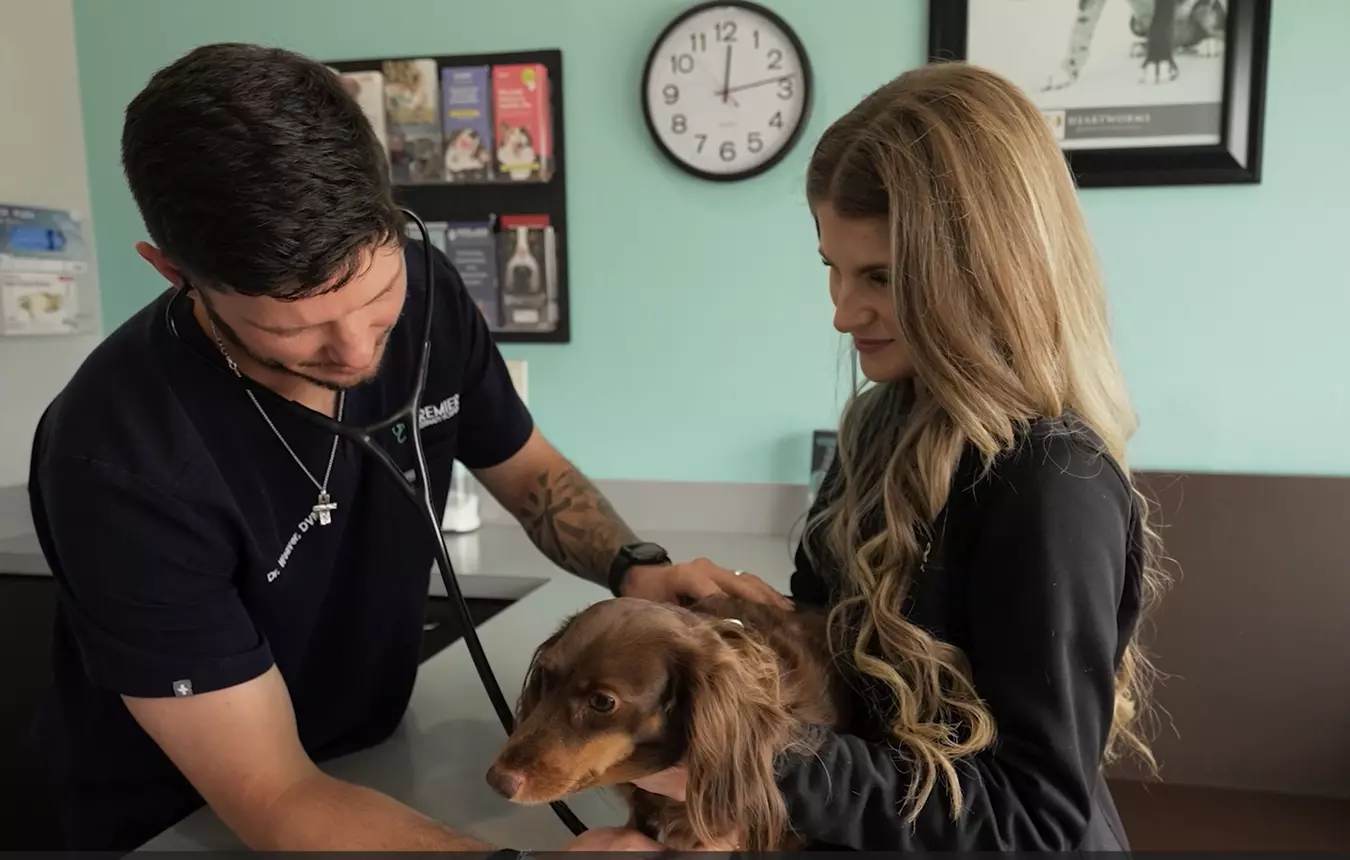
Your pet will receive a thorough nose-to-tail examination by one of our veterinarians, including:
- Weight, body condition, and nutrition review
- Eyes, ears, and skin evaluation for signs of infection or allergies
- Oral exam to check for dental disease
- Heart and lung assessment
- Abdominal palpation and lymph node check
- Joint and mobility evaluation for early signs of arthritis
- Discussion of behavior, lifestyle, and any changes you have noticed
In-House Laboratory
Our in-house laboratory allows us to perform a wide array of diagnostic tests, from routine screening bloodwork and urinalysis to fecal parasite testing and heartworm tests, often with results the same day. Screening bloodwork is especially valuable for senior pets, as it can reveal early kidney disease, liver disease, diabetes, and other conditions before symptoms appear.
Pet Vaccines
Vaccinating your pet is one of the most important ways to protect them from contagious and potentially deadly diseases. Our veterinarians tailor every vaccine plan to your pet’s age, health, and lifestyle.
- Core dog vaccines: Rabies and distemper/parvovirus, which protect against diseases such as parvovirus
- Lifestyle dog vaccines: Bordetella, leptospirosis, and canine influenza for dogs that board, groom, swim, or socialize with other dogs
- Core cat vaccines: Rabies and FVRCP
Puppies and kittens receive a series of vaccines every three to four weeks until about 16 weeks of age, followed by boosters to maintain protection.
Parasite Prevention and Deworming
Parasites are a medical issue that can have serious consequences if not prevented, and the cost of prevention is minimal compared to treatment. Puppies and kittens should be dewormed, sometimes several times, to break the parasite life cycle, and stool testing confirms that no other intestinal parasites remain. Some, like roundworms, are contagious to people, so a simple fecal exam protects your whole family. Monthly flea and tick prevention and easy-to-give heartworm prevention, available as a chewable treat or a topical application, protect against life-threatening heartworm disease. Learn more about our parasite prevention program.
Microchipping and Nutrition Guidance
Wellness visits are a great time to add a microchip for permanent identification and to ask about the right diet for your pet’s life stage. Prescription and therapeutic diets are available through our pharmacy and nutrition services.
Pet Wellness FAQs
How often does my pet need a wellness exam?
Most healthy adult pets need a wellness exam once a year. Puppies, kittens, senior pets over age seven, and pets with medical conditions benefit from more frequent visits.
What vaccines does my dog need?
Core vaccines for dogs include rabies and distemper/parvovirus. Bordetella, leptospirosis, and canine influenza are recommended based on lifestyle.
What vaccines does my cat need?
Core vaccines for cats include rabies and FVRCP. Additional vaccines may be recommended depending on your cat’s lifestyle.
When should my puppy or kitten start vaccines?
Puppies and kittens typically start vaccines at six to eight weeks of age and receive boosters every three to four weeks until about 16 weeks old.
Why does my pet need bloodwork if they seem healthy?
Pets hide illness well. Screening bloodwork can detect kidney disease, liver disease, diabetes, and other conditions before symptoms appear, when they are easier to treat.
Why is a fecal test part of the wellness exam?
Deworming medication does not eliminate every type of intestinal parasite, and some parasites can spread to people. A fecal test confirms your pet is parasite-free.
What should I bring to my pet’s wellness visit?
Bring a fresh stool sample, a list of medications and supplements, information about your pet’s diet, and any questions or changes you’ve noticed.
Schedule Your Pet’s Wellness Exam
Is your pet due for a checkup or vaccines? Call (903) 617-6072 or request an appointment online with our Tyler veterinarians.