
Periodontal Disease Treatment for Pets in Tyler, TX
Bad breath, red gums, and tartar buildup are early warning signs of periodontal disease, the most common health problem in adult dogs and cats. At Premier Veterinary Hospital, we diagnose dental disease with full-mouth X-rays and treat it with thorough, safely monitored professional cleanings that protect your pet’s comfort and long-term health.
Request an AppointmentWhat Is Periodontal Disease?
Periodontal disease is an infection of the tissues that hold your pet’s teeth in place. It begins when plaque, a sticky film of bacteria, builds up on the teeth and hardens into tartar. Bacteria then spread below the gum line, where they inflame the gums, destroy the supporting bone and ligaments, and eventually cause teeth to loosen and fall out. According to the American Veterinary Dental Society, 85% of pets have dental disease by age three, making it the most common health problem we see in adult dogs and cats.
Why Dental Disease Matters Beyond the Mouth
Periodontal disease is painful, and pets are very good at hiding that pain. The bacteria in an infected mouth can also enter the bloodstream and affect the heart, liver, and kidneys. Keeping your pet’s mouth healthy is one of the most effective ways to protect their overall health and extend their life.
Signs of Periodontal Disease
- Bad breath
- Yellow or brown tartar on the teeth
- Red, swollen, or bleeding gums
- Loose, broken, or missing teeth
- Chewing on one side or dropping food
- Pawing at the mouth or rubbing the face
- Reduced appetite or reluctance to chew toys
- Swelling below the eye, which can indicate a tooth root abscess
The Stages of Dental Disease
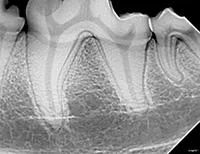
Dental disease progresses through four stages, from mild gingivitis (Stage 1), which is reversible with a professional cleaning, to advanced periodontitis (Stage 4), where more than half of the tooth’s support is lost. Because roughly 60% of each tooth sits below the gum line, dental X-rays are the only way to see the full extent of the damage.
How We Treat Periodontal Disease
Our professional dental cleanings go far beyond removing visible tartar. Every pet first receives an exam and pre-anesthetic bloodwork through our in-house laboratory. Under carefully monitored anesthesia, we take full-mouth dental radiographs, clean every surface of every tooth above and below the gum line with a piezo ultrasonic scaler, polish, and apply fluoride. Teeth that are too damaged to save are extracted to eliminate pain and infection, and many patients receive laser therapy to reduce extraction-site pain and speed healing. Pain medication is provided through our pharmacy as needed.
Why Anesthesia Is Necessary
Anesthesia-free cleanings only scrape the visible crowns and cannot address disease under the gums, which is where the real damage happens. Anesthesia allows a complete, safe, and pain-free exam and cleaning. The same rigorous monitoring protocols we use for surgery, including capnography, continuous ECG, blood pressure, and active warming, keep your pet safe throughout the procedure.
Preventing Dental Disease at Home
Daily tooth brushing with pet-safe toothpaste is the gold standard. Dental diets from our nutrition selection, VOHC-approved chews, and an annual dental exam during your pet’s wellness visit also help. Most pets need a professional cleaning at least once a year by age five, and senior pets may need them more often.
Periodontal Disease FAQs
What is periodontal disease in pets?
Periodontal disease is a bacterial infection of the gums and the bone and ligaments that support the teeth. It starts with plaque and tartar and can lead to pain, tooth loss, and infection that affects other organs.
How common is dental disease in dogs and cats?
Very common. According to the American Veterinary Dental Society, 85% of pets have dental disease by age three.
Is bad breath in pets normal?
No. Persistent bad breath is often the first sign of dental disease and should be checked by a veterinarian.
Why does my pet need dental X-rays?
About 60% of each tooth is below the gum line. Dental X-rays reveal bone loss, root infections, and fractured roots that cannot be seen during an exam.
Are anesthesia-free dental cleanings safe?
Anesthesia-free cleanings cannot clean below the gum line where periodontal disease does its damage, and they can be stressful for pets. A complete cleaning requires anesthesia.
How often does my pet need a professional dental cleaning?
Most pets need a professional cleaning at least once a year by age five, though small breeds and pets with existing disease may need cleanings more often.
Can periodontal disease be reversed?
Early gingivitis can be reversed with a professional cleaning and home care. Once bone loss occurs, the damage is permanent, but treatment stops it from progressing.
Protect Your Pet’s Smile
Is your pet due for a dental exam? Call (903) 617-6072 to schedule a dental evaluation with our Tyler veterinarians.