
Pet Parasite Prevention in Tyler, TX
Heartworms, fleas, ticks, and intestinal worms are a year-round threat to pets in East Texas. At Premier Veterinary Hospital, we create personalized parasite prevention plans with testing and easy-to-give preventives that protect your dog or cat, and your family, from serious illness.
Request an AppointmentWhy Parasite Prevention Matters in East Texas
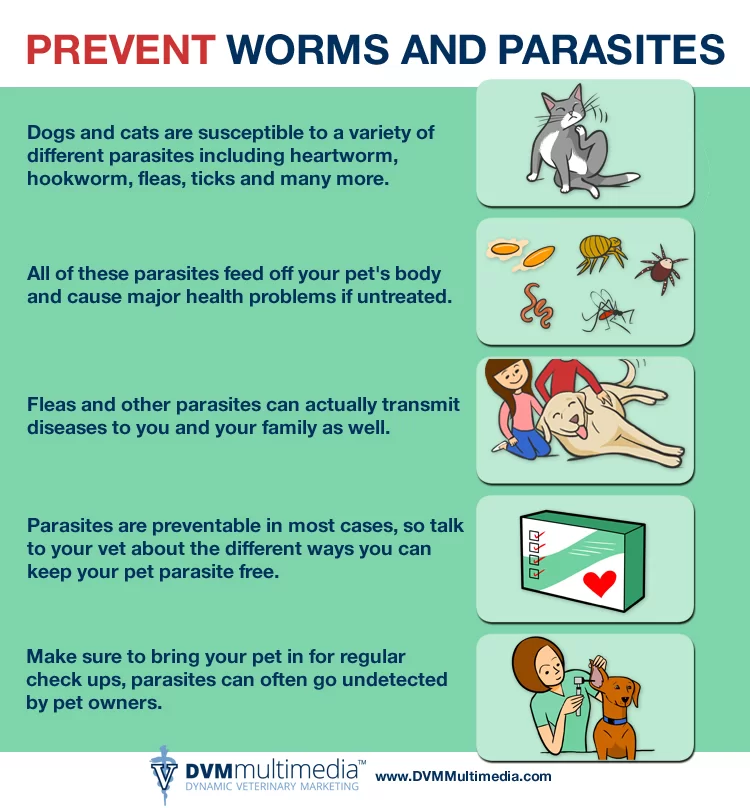
The warm, humid climate of East Texas allows fleas, ticks, and mosquitoes to thrive nearly year-round, which puts dogs and cats at constant risk for parasites. Parasites cause much more than itching. They can transmit serious diseases, cause anemia, damage the heart and lungs, and in some cases spread to people. Preventing parasites is far easier, safer, and more affordable than treating an infestation or infection.
Common Parasites That Affect Pets
- Heartworms: Spread by mosquitoes, heartworms live in the heart and lungs and can be fatal. Learn more about heartworm disease.
- Fleas: Fleas cause itching, skin infections, and flea allergy dermatitis, and they can transmit tapeworms. A small number of fleas on your pet often means a much larger population in your home and yard.
- Ticks: Ticks transmit diseases such as ehrlichiosis, anaplasmosis, Rocky Mountain spotted fever, and Lyme disease.
- Intestinal worms: Roundworms, hookworms, whipworms, and tapeworms can cause vomiting, diarrhea, weight loss, and a pot-bellied appearance. Roundworms and hookworms can also infect people, especially children.
- Protozoa: Giardia and coccidia are common causes of diarrhea, particularly in puppies and kittens.
- Mites: Ear mites and mange mites cause intense itching, hair loss, and ear problems.
Our Parasite Prevention Program
During each wellness exam, our veterinarians recommend a prevention plan based on your pet’s age, lifestyle, and risk factors. A complete program includes:
- Annual heartworm testing performed in our in-house laboratory
- Year-round heartworm prevention in the form of a monthly chewable, topical treatment, or long-lasting injection
- Monthly flea and tick prevention to stop infestations before they start
- Routine fecal testing to detect intestinal parasites that deworming may not eliminate
- Puppy and kitten deworming with a series of oral medications to break the parasite life cycle
Prevention products are available through our pharmacy, and many combination products protect against several parasites in one easy dose.
Protecting Your Family Too
Some pet parasites, including roundworms, hookworms, and certain tick-borne diseases, can affect people. Keeping your pet on prevention, picking up after your pet promptly, and washing hands after outdoor play help protect everyone in your household. Pets that board or groom with us must have a current intestinal parasite screen, which keeps all of our boarding and grooming guests healthy.
Parasite Prevention FAQs
Does my pet need parasite prevention year-round?
Yes. In East Texas, fleas, ticks, and mosquitoes can be active nearly every month, so year-round prevention is the best way to protect your pet.
Do indoor pets need parasite prevention?
Yes. Mosquitoes, fleas, and ticks easily get indoors on people, other pets, and through open doors and windows.
How often should my pet have a fecal test?
We recommend at least one fecal test per year for adult pets and more frequent testing for puppies, kittens, and pets with digestive signs.
Can parasites from my pet affect my family?
Yes. Roundworms and hookworms can infect people, especially young children. Prevention and good hygiene reduce the risk.
Why does my dog need a heartworm test if he’s on prevention?
Annual testing ensures prevention is working and catches infections caused by missed or late doses.
What is the best flea and tick prevention for my pet?
The best product depends on your pet’s species, size, age, and lifestyle. Our veterinarians will recommend the safest and most effective option.
How often should puppies and kittens be dewormed?
Puppies and kittens are usually dewormed every few weeks during their vaccine series, then transitioned to monthly preventives that also control intestinal worms.
Keep Your Pet Parasite-Free
Is your pet due for a heartworm test or a refill of prevention? Call (903) 617-6072 to schedule a visit in Tyler.