
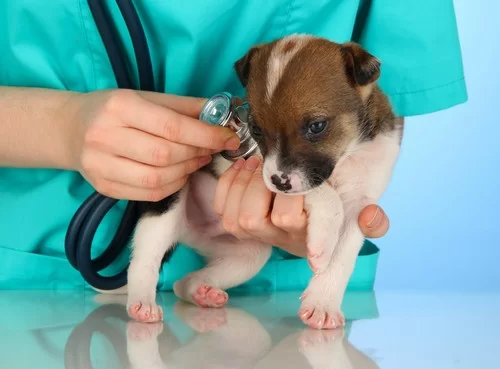
Parvovirus Treatment & Prevention in Tyler, TX
Parvovirus is a highly contagious and potentially deadly disease that strikes puppies and unvaccinated dogs. At Premier Veterinary Hospital, we offer rapid in-house parvo testing, intensive hospital care for infected dogs, and puppy vaccine programs that keep your new family member protected.
Request an AppointmentWhat Is Canine Parvovirus?
Canine parvovirus, often called parvo, is a highly contagious viral disease that attacks the rapidly dividing cells of a dog’s intestinal lining and immune system. It causes severe vomiting, diarrhea, and dehydration and can be fatal without prompt treatment. Puppies between six weeks and six months of age and unvaccinated dogs are at the highest risk.
How Parvo Spreads
Parvovirus spreads through contact with infected feces, either directly or through contaminated soil, shoes, hands, food bowls, kennels, and other surfaces. The virus is extremely hardy and can survive in the environment for months to a year, resisting many common disinfectants. That is why puppies should avoid parks, pet stores, and other high-traffic dog areas until their vaccine series is complete.
Signs of Parvo
- Lethargy and weakness
- Loss of appetite
- Fever or low body temperature
- Repeated vomiting
- Severe, often bloody, foul-smelling diarrhea
- Abdominal pain and bloating
- Rapid dehydration
If your puppy shows any of these signs, call us immediately at (903) 617-6072. Parvo progresses quickly, and early treatment greatly improves survival.
Diagnosing Parvovirus
A rapid in-house fecal test can detect parvovirus antigen within minutes. Our diagnostic laboratory also runs complete blood counts and chemistry panels to evaluate white blood cell counts, dehydration, and electrolyte imbalances, which guide treatment decisions.
Treatment for Parvo
There is no medication that kills the parvovirus itself, so treatment focuses on intensive supportive care while your puppy’s immune system fights off the infection. Most patients need hospitalization in an isolation area for IV fluids, electrolyte correction, anti-nausea medication, pain control, and antibiotics to prevent secondary infections. Our hospital’s IV fluid pumps and continuous monitoring allow our team to track each patient closely. With prompt, aggressive care, the majority of dogs survive.
Preventing Parvo With Vaccination
Vaccination is the most effective way to protect your dog. Puppies receive a series of distemper/parvo vaccines every three to four weeks starting at six to eight weeks of age until about 16 weeks old, followed by boosters as recommended. Adult dogs need regular boosters to stay protected. Learn more about puppy vaccines on our wellness page. Dogs must be current on distemper/parvo vaccines to stay in our boarding facility or visit our grooming salon, helping keep every pet safe.
After Recovery
Dogs recovering from parvo may need a bland, easily digestible diet from our nutrition selection for several days. Because the virus lingers, thoroughly clean your home and yard with a disinfectant proven effective against parvovirus, and talk with us before bringing a new puppy into the household.
Parvovirus FAQs
How do dogs get parvo?
Parvo spreads through contact with infected feces or contaminated environments, objects, and people’s shoes and hands. The virus can survive in the environment for months.
What are the first signs of parvo in puppies?
Early signs include lethargy, loss of appetite, and fever, followed quickly by vomiting and severe, often bloody diarrhea.
Can a dog survive parvo?
Yes. With prompt, intensive veterinary treatment, most dogs survive. Without treatment, parvo is often fatal.
Is parvo contagious to people or cats?
Canine parvovirus does not infect people. Cats have their own form of parvovirus, called panleukopenia, which is prevented with the FVRCP vaccine.
When can my puppy go outside safely?
Puppies should avoid parks, pet stores, and high-traffic dog areas until about two weeks after completing their puppy vaccine series. Your veterinarian will advise you based on your puppy’s schedule.
Can vaccinated dogs get parvo?
It is rare, but puppies who have not completed their series and dogs with lapsed boosters can be infected. Staying on schedule offers the best protection.
How is parvo treated?
Treatment includes hospitalization with IV fluids, anti-nausea medication, pain control, electrolyte support, and antibiotics while the immune system clears the virus.
Protect Your Puppy From Parvo
Call (903) 617-6072 immediately if your puppy is vomiting or has diarrhea, or schedule a puppy vaccine visit with our Tyler veterinarians today.